Last week, I was blessed to be part of the Programme Resources Consultancy Group, where people from all over the globe who are involved in the many facets of international development gathered together to discuss a range of important current issues and challenges. This year’s theme was Togetherness. It was a great few days exploring and sharing together.
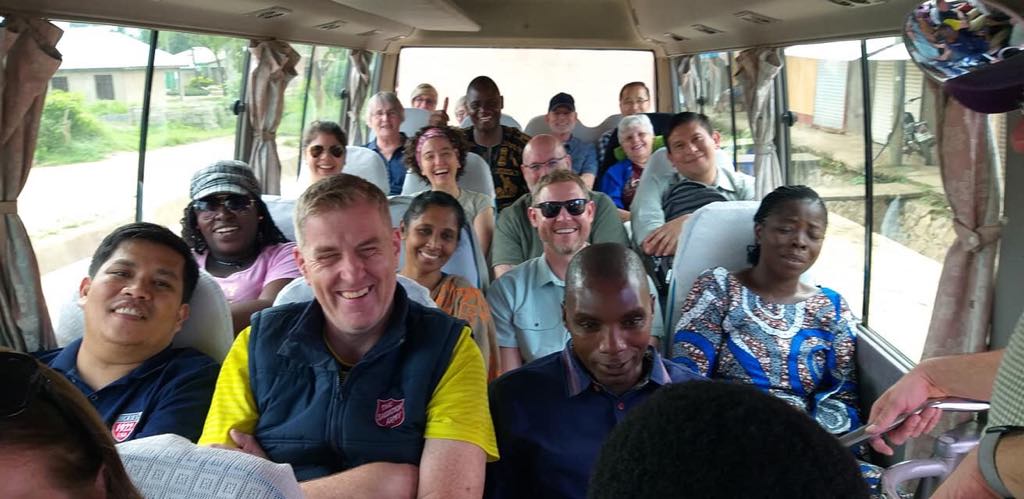
As a representative of the ‘implementing territories’ (Salvation Army speak for countries implementing development projects, usually funded by other countries), I was asked to give the keynote speech response. This was a great challenge to me. I wanted to speak something positive about togetherness and how we all work so well together. However, before jumping on the anticipated positives, I could not help feeling that somehow it was also important to acknowledge that to move forward in our togetherness, we need to acknowledge our differences and our past.
We live in a time when the gap between the rich and the poor is increasing. Most recent studies highlights that this gap is getting wider and wider. Alongside this, I find it very hard to reconcile The Salvation Army of my home country with The Salvation Army I am part of in Bangladesh. Many of our territories are building up reserves as a prudent business practice and rightly so but Bangladesh is usually working hand to mouth. There are many more differences but I don’t want to sound unduly negative. However, often we are so busy working on helping others that we can be become less aware or less tuned in to the disparities within our organization.
Somehow if we want to work together more effectively, we have got to blur the lines between the Salvation Army have and the have nots in terms of power, finances, knowledge and community.’
RB
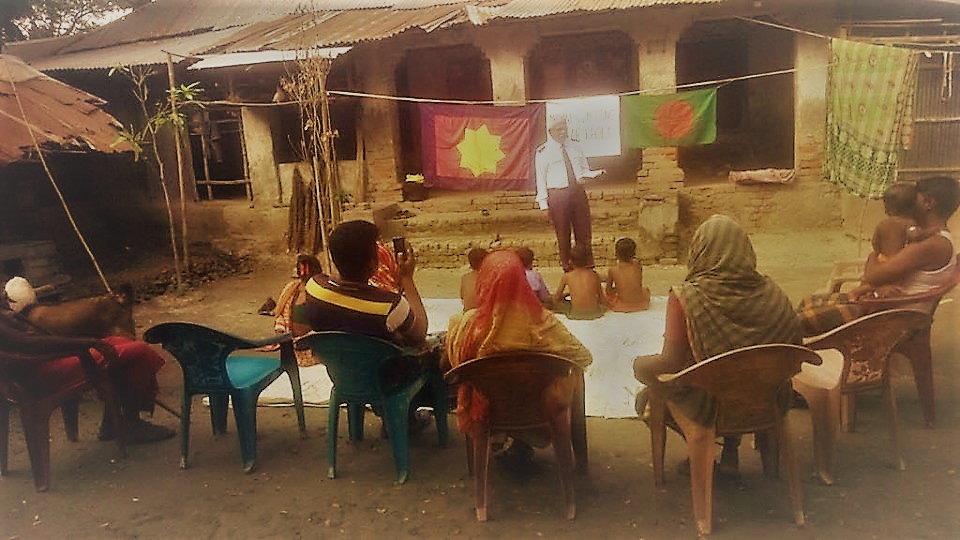
There is increasing acknowledgement that we are all increasingly connected and complicit in the creation of the world’s problems. Somewhat uneasily, I also wanted to sensitively but purposefully highlight how the West or developed world has acquired much of its wealth and privilege off the back of historical exploitation and even though, I didn’t exploit people myself, we have benefitted from it. (The relationship between colonialism and the spread of Salvationism is an interesting topic in itself). In more modern times we are aware that Bangladesh is a country that suffers dreadfully because of climate change. Recent Oxfam research highlights that the poorest 50% of people in the world are responsible for just 10% of the issues caused by climate change. Essentially, those who have contributed least to climate change are the same people who are impacted most. There are many other global issues that highlight our connectedness.
To me these are points of tension when we are talking about togetherness.
Therefore, international development and aid is becoming increasing less about helping others but finding a better way of working together to find solutions that we, in our shared humanity, have created together. As Dr. James Read pointed out in his speech, we are not just people living in the here and now, we have a past and we share connected stories and histories. I think in order to move forward with togetherness, we have to look back and reconcile the past and where necessary seek forgiveness.
Secondly, I have always been challenged by this verse in Isaiah 1:17 ‘Seek justice, correct oppression, bring just to the fatherless, plead the widows cause”. We always focus on the first three statements but I have been challenged by this phrase ‘plead the widow’s cause’. I am still working this out and I wonder what this means to you. Whenever, I have spoken out in meetings, Boards, personal conversation, I have had this at the back of my mind. If The Salvation Army wants to move forward in togetherness, then I truly believe that we need to be much better at ensuring significantly greater inclusion. The voice of the poor and marginalized needs to be heard in our discussions, our conferences, our board meetings and decision making at all levels. Often it is the participant views and opinions that are heard and not those we work alongside.
So when I speak out at conferences like this or in meetings, I am quite sure people think I am moaning, whining, a broken record and in the African / Asian context I have been sometimes been accused of being subordinate and disrespectful. I know I said things people at this conference and other conferences that people did not agree with or found uncomfortable, although hopefully it stoked conversation. I am genuinely trying to live out ‘pleading the widows cause’ and work out what that looks like for me. I am trying to listen to the voices we hear in our communities and Corps and represent them in our forums. I often get it woefully wrong and I’m genuinely sorry about this but it is important for me to try and get it right. I lack the eloquence of many gifted speakers and leaders but I do have a passion for speaking out for those on the margins. I am trying to learn how to represent the most vulnerable within my sphere of influence and within a hierarchal organization. Togetherness and inclusion need constant scrutiny, then don’t just happen. Most of all, I am trying to reflect God’s heart and his bias for the poor in my daily life. As someone once said, if the message is not Good News for the poor, then it is not the gospel of Jesus.

 BanglaBradburys
wow!! 36Cultural Confusion and Returning Home
LikeLike