Featured

5 Lessons on COVID19 from Bangladesh

We stayed albeit not without a few wobbles and so we experience yet another crisis through the eyes of a different culture. Once again the response has been typically chaotic but exceptionally moving. Currently, most people accept that Bangladesh is in an extremely vulnerable position when it comes to COVID19. On a national level, it is one of the most densely populated countries in the world, with over 160 million people living in a small area half the size of the UK. We have one of the lowest testing rates for coronavirus and social distancing is near impossible. Add into the mix, hundreds of thousands of migrant workers returning to the country in the last 2 months due to the global lockdown situation and a refugee camp for close to 1 million people and it is easy to see why no-one is quite sure of the current picture in relation to the precise extent of this devastating virus.

So, here are 5 things I have learnt about living away from my passport country during the turbulent times of the corona virus crisis

  1. Being ‘with’ people is harder when it impacts on your family

I’ll start with my own struggles.  Many of our friends have agonised over a difficult decision to be either evacuated out by their embassy or stay and work. Most have gone. Watching from our roof as the evacuation planes fly over your apartment block is not for the faint hearted and brings all sorts of feelings of confusion and self-doubt. Questioning whether I am being a good father by keeping my children in a small apartment with no outdoor activities or walks, maneuvering 3 months of distance learning schooling with minimal resources and increasing their uncertainty about when they will ever get to see grandparents again is not a great feeling. I understand why people are leaving and a big part of me wishes I could be home, finding some security in our National Health Service but for me I believe The Salvation Army has an important role to play at this challenging time. So we stayed, helping to support the life giving emergency relief projects and life saving, essential medical services here. Only time will tell whether that was a wise decision or not but the act of being present with people is one thing we definitely signed up for. It feels important to be journeying together with the people we serve alongside right now but it is not without fluctuating emotions. We continue to pray that our faith remains stronger than our fears in the days ahead!
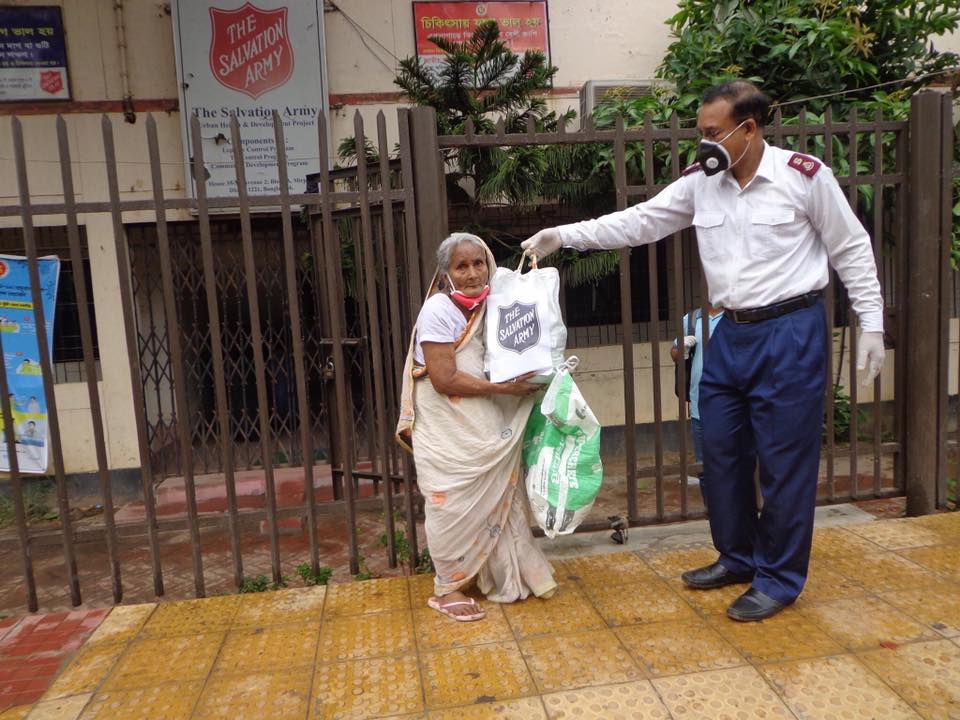
2. We are not all equal now but we do have things in common

I have seen and heard so many times that this crisis makes us all equal. It does not. We are not. Yes, it is indiscriminate and yes, we are all facing the same storms but this does not equate to a new found global equality. We are not all in the same boat! Even in Bangladesh, the corona virus does not make things equal between its anxious citizens and residents. I am able to selfishly stock up on food and medicine for a few weeks, while most people in Bangladesh are daily wage earners and struggle to live hand to mouth. I have ample space in my flat to isolate while less than a few metres away people are nervously couped up together with anywhere between 5 -10 living in a one roomed shack, sharing water and toilet facilities at risky public points. This crisis has also laid bare the poor state of health systems in some of the developing countries, where health insurance or state care are not even a remote possibility. However what emerges are beautiful commonalities of a wounded humanity in crisis. We all share kindness, strength and resilience as general societal and individual characteristics. Through this crisis, we have seen this all over the world. Kindness abounds across the country when it comes to generously sharing with others, no matter where you live. Sometimes it takes a disaster to bring out the strength in people or a population. Resilience is found in the least likely of places, unexpectedly reminding us that we all have a lot to learn from those who constantly bounce back from setbacks and crisis.
3. Fairtrade is not necessarily fair during times of crises

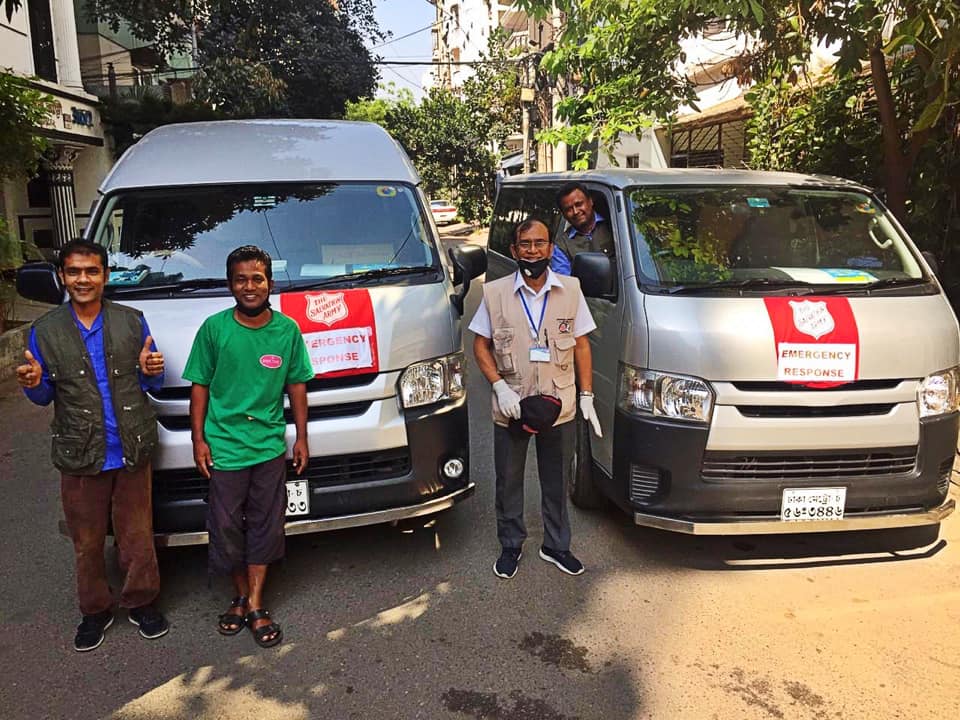
We are all connected, not just by handshakes or door handles but on a much more colossal scale. We have seen things from a unique perspective in Bangladesh and identified that in these connections, we see the best and worst in people. The best comes through the big-hearted support given by government, charities, businesses, individuals and for us, our supporting offices and territories. We have been enormously inspired by the selfless Salvation Army Officers, employees and volunteers in Bangladesh who, without any query or question, step up and step out to help the most vulnerable in their communities. But it also very difficult to sit and watch as many of the companies we use back home simply just cancel, put on hold orders or demand instant discount condemning millions of Bangladeshi garment works to be being sent home, unpaid and unemployed. I understand business is business but I can’t help thinking that it is easy to have good ethics and fair trade when things are going well but as soon as something goes wrong, once again the problem gets shifted down the line and ultimately it is the poorest who are the most vulnerable and hardest hit

4. Local solutions are possible

With a global scramble for equipment we are seeing local solutions emerging and the very best of the creative and innovative Bangladeshi minds coming to the fore. In the rural communities, the same inventiveness is on display when it comes to making your own soap or disinfectant and awareness raising activities. Bangladesh has a great history in implementing successful community based programmes in relation to family planning, TB and Leprosy and child illnesses (which TSA has been part of) and we can see this shining through again. The Salvation Army is present in communities and participates in the daily life of many of these innovative and creative approaches. It is resourceful and faithful people that inspire hope, that somehow manage to reassure us that everything might not turn out as bad as is being predicted. One leading NGO Executive Director puts it this way ‘while I am worried, I also have endless faith in Bangladesh’s ability to rise in a moment of crisis. Even when outsiders see us as a basket case, we see an innovative path forward’.
5. We need to unlearn and learn new ways of doing things

Our Strategic Plans, Mission Statements, budgets and logframes don’t prepare us for disasters, shocks or corona virus. They never have and never will. The developed world is understanding this more than ever right now but for most of the developing world, this is just the next in the line of disasters and shocks. In the midst of corona virus, Bangladesh is also preparing for dengue fever and monsoon season. My friend Matt White spoke really challenging words recently about how this a time when maybe we need to unlearn things while we have space to reflect; a sincere challenge for organisations as well as individuals. We can no longer just revert back to the way we used to do things, especially when that way largely benefits the agenda of the developed world. We need to find a new way and more flexible way of doing things that reflects the realities of life of those living in poverty, regardless of which country you live in.
Featured

Six months in and the best exotic marigold experience ever

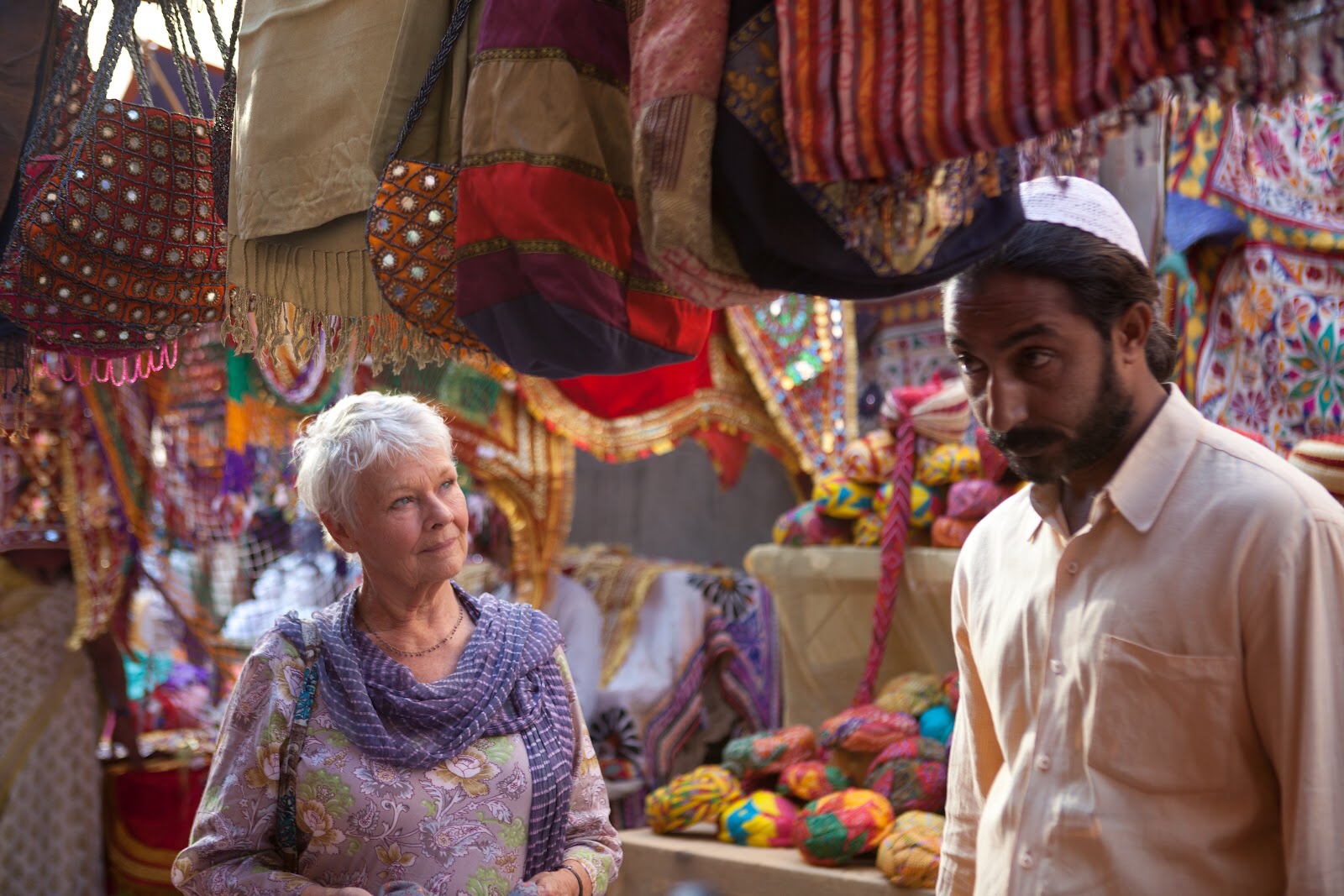
Last night we watched The Best Exotic Marigold Hotel for our weekly movie night. One film commentator describes the film as being about ‘seven British retirees who travel to Jaipur, Rajisthan, India to live in a restored “luxury” hotel for the elderly. Predictably, their expectations are not met — the hotel is a shambles and its future in doubt — and just as predictably, the characters who take up the challenges thrown at them find a new, unexpected life’. It follows the idea of ‘outsourcing’ your older years to another country – it is especially poignant in a part of the world where our experience has been that people here have such a lovely and important respect for older people.
Viewing the film again through a slightly more informed perspective was interesting. It is, of course, full of stereotypes, cliches and caricatures and this is sometimes annoying. However, if you can get past all of these you see an entertaining but poignant film about how people interact with culture in different ways and a sensitive and humorous exploration of ageing. One the group, Evelyn, keeps a blog about the group’s many adventures during their time in India. She and one of the others in the thrown together group, Graham, are on different journeys but jump into life in Asia. Evelyn starts by writing that ‘India is an assault on the senses. It’s like a wave; resist and you go under, ride it out and you arrive at the others side.’ This has been exactly our experience in Bangladesh.

As soon as we got to the plane from Dubai to Dhaka we knew things were going to be different. Entering the security area and being asked to carry on something for a Bangladeshi man as the 7kg hand luggage limit was not going to cater for the three boxes he had. Of course, we politely declined and then boarded the plane as one of the first due to being accompanied by small children (although how much longer we are going to get away with that now is debatable). Sitting on the Dhaka bound plane and watching the unusual chaos of the boarding and seating process play out before our eyes, we knew things were going to be different. We decided as a family at that point, we were going to try and embrace it all and give it our best shot. So chaos became vibrancy, strangeness become curiousity and inevitably problems are indeed challenges.

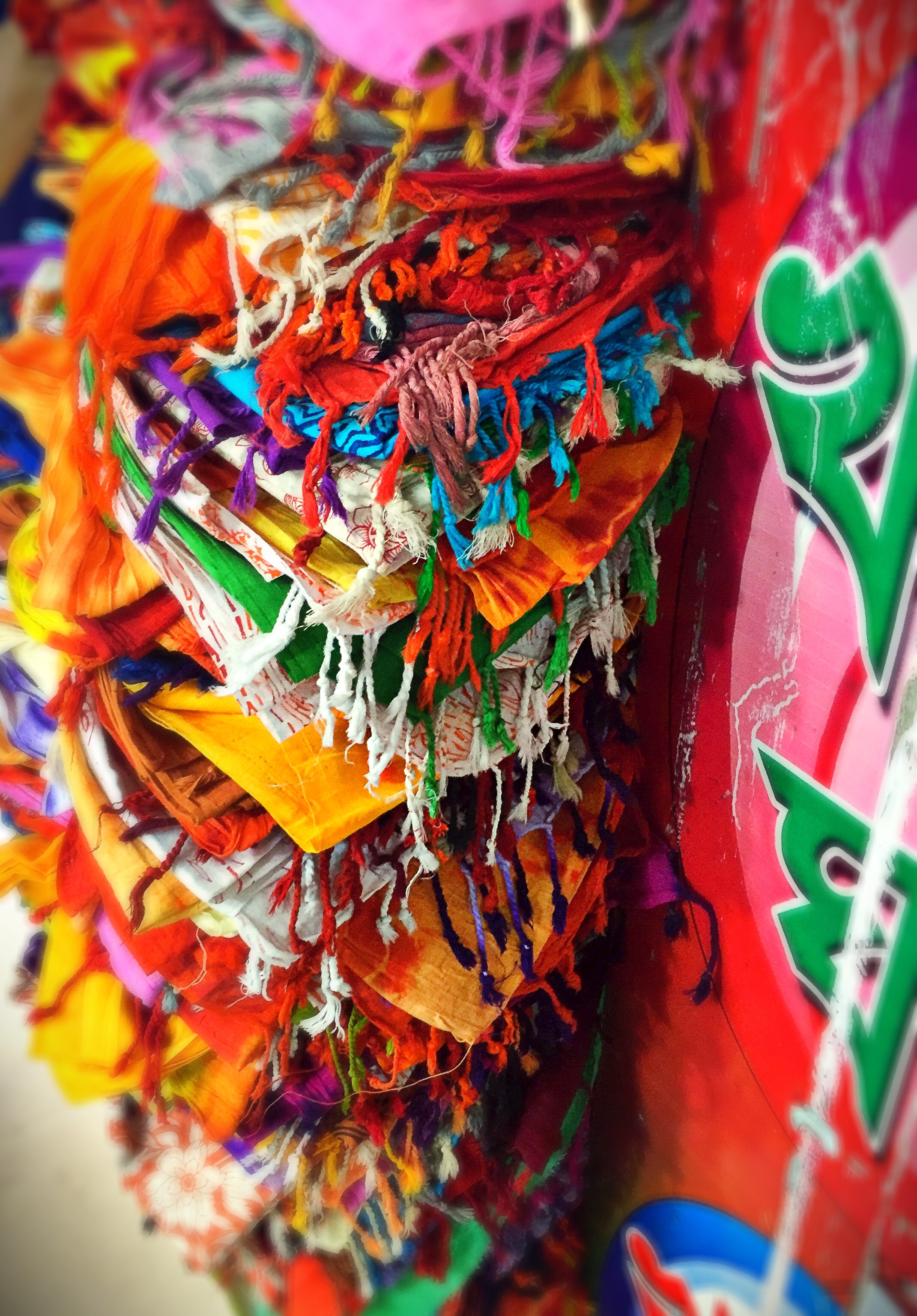
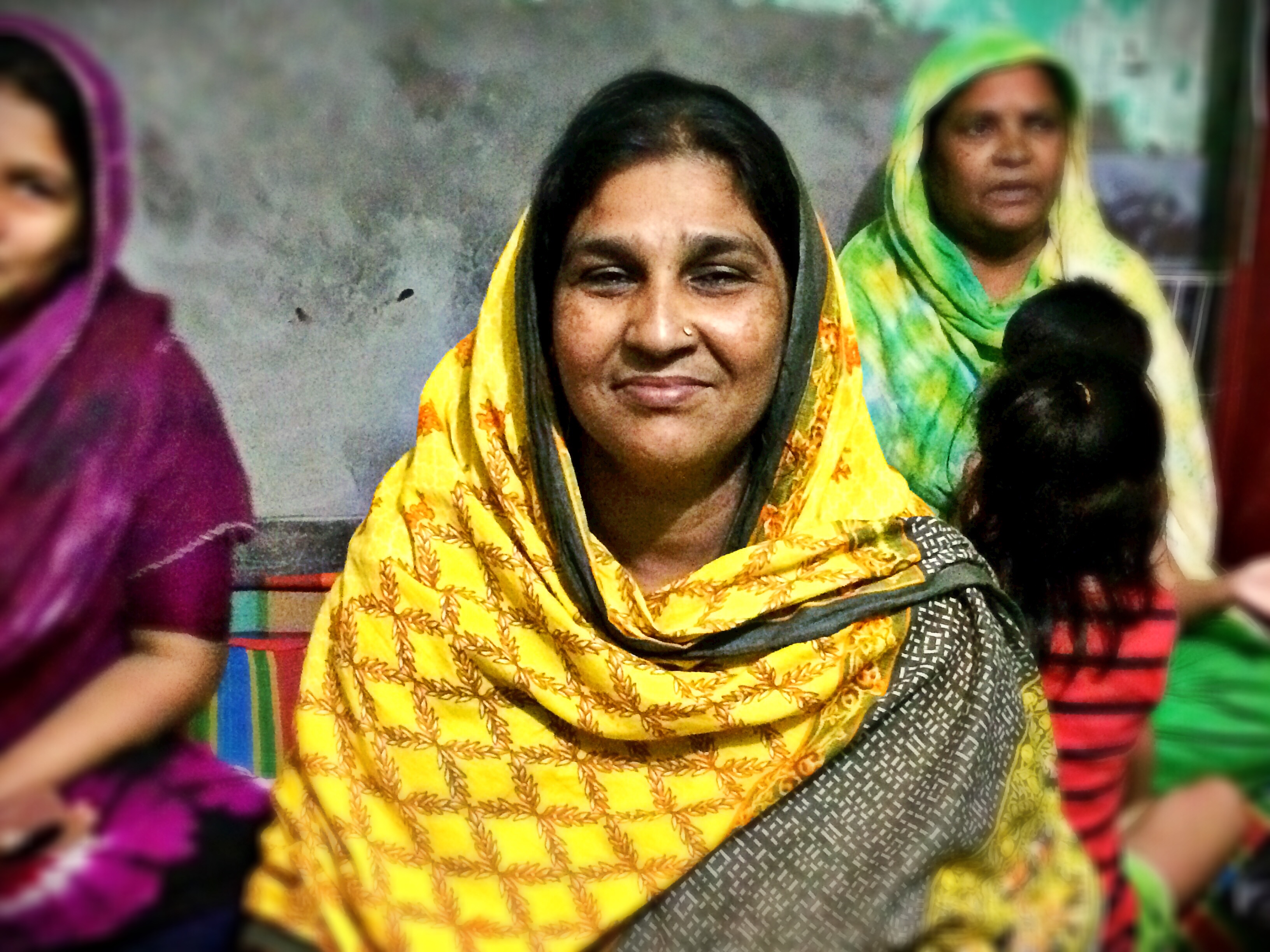
When I lie in my bed at night I can hear trains hooters, car horns, security guards’ whistles, the mosque calling people to prayer, people talking, rickshaw bells, low flying planes flying overhead (we live at the end of the airport runway) and men loudly clearing their throats as the morning approaches. This is just the noise. When you take a wander round the streets of Dhaka and witness the smells, the vivid colours, the flavours, the unrelenting high rise buildings, the unending traffic, the stares, the smiles, the smog, the crowdedness, the heat, the vehicle fumes, the different understanding of personal space, the street foods and much much more, it all converges to this ‘assault on the senses’ and sometimes has the capacity to overwhelm us.

But there was this one line that caught my heart in particular.

Jean: “How can you bear this country? What do you see that I don’t?”

Graham: “The light, colors, the smiles, it teaches me something.”

High Court Judge Graham is able to absorb the breathtaking beauty that is India and Asia. He is interested in the place and focussed on the people. Despite his lofty profession and years of experience, he is still ready to learn. So today we have been here exactly six months. Despite previous experience living and working overseas, I have had to be willing to be more teachable than at any other point in my life.

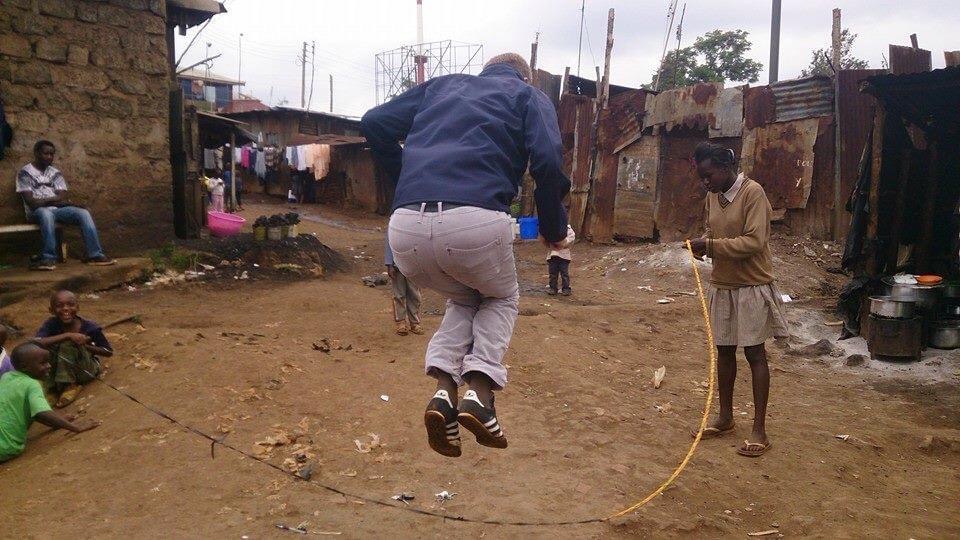
Consequently I have had some beautiful conversations with my resilient children sitting on the back of a rIckshaw including my 9 year old daughter teaching me how to count to 10 in Banga during one trip. We have tried to learn some of the history, language and culture, embraced spicy Bangla food, allowed ourselves time and opportunity to really look around and above all, try and get connected with people instead of immediately trying to always figure out and fix things.

I have had to reconsider what the international Salvation Army actually looks like in a vastly different culture. I am trying to be more patient with myself and others and accept that things might take longer than I would want them to. Most importantly though is that one of the things I have learnt is that each place has its beauty of its own and in almost all situations, it is seen first and foremost in its people. That has certainly been the case in beautiful Bangladesh.

Courage is the power to let go of the familiar

Raymond Lindquist

Cultural Confusion and Returning Home

Overseas service and traversing cultures had become part parcel of family life for the Bradburys and an integral component of our calling. In 2021, our carefully planted roots in South Asia, which were beginning to blossom, were unexpectedly hauled up. Undoubtedly the right decision for us on so many levels, the return ‘home’ has left me with a disorienting confusion. After living in Africa and Asia for 15 of the last 17 years, there is such relief and joy about being nearer family and friends. Facetime relationships with our UK tribe being slowly restored to face to face friendships is sheer bliss.  But alongside this uncomfortably sits some unsettledness, exhaustion for being in what feels like a long-term, unending transition process, weariness at all practical and financial conundrums and most prominently an intense grief about what we’ve left behind.

One minute you are rejoicing at being able to spend time with people you love, the next minute you are crying out for what you’ve lost and is now scattered. One day you are helpfully contributing to an important work discussion because you have a unique perspective, the next day your contribution to the conversation with friends sounds ridiculous and out of place exactly because of the very same experiences. One week, you feel you are confidently adapting, the next week your confidence is shut to pieces as you are struggling to understand processes or caught off guard by an unexpected encounter.  It’s confusing!

For the children, they have returned back to a country that is listed on their passport but one they do not really know, struggling to make sense of the world where they now mingle with those who have so much when they have lived amongst though who have so little. They have diligently entered a world a new culture, one that is supposed to be known but is not. They have adjusted so well. In fact, our biggest joy has been to see them embrace the change, flourish at the vast opportunities school and community offers and enjoying a freedom they have never experienced due to constant security concerns. To see them lay down their own roots and sense that they are beginning to belong helps us to know that this is the right place to be. But It’s confusing!

My fragile faith has also been impacted by living overseas. The vibrancy and the vitality of the Zambian and Kenyan worship and the intimacy of the few who quietly and faithfully gather together in Bangladesh all demonstrate beautiful and diverse expressions of faith which has touched us intensely. The internationalism and togetherness of The Salvation Army is truly a blessing and a bond. Journeying with people who have such difficult daily struggles but live with much more compassion and love than I have ever had has been a genuine and valuable blessing. Yet, I find myself silently bemoaning the failure (or perhaps lack of humility) of the privileged to listen to the people who are growing in those challenging and complex situations. This causes me great frustration as I know they have something important and valuable to say and contribute. I struggle a little to reconcile the well-resourced church I belong to and the comfortable, high tech offices I sit in, with the humble people and worn-out buildings that I worked in other countries.  It’s confusing!

Don’t get me wrong, overseas service was not easy, it is hard. But even though there were always so many struggles, financial hardships, anxiety about safety and increasing concerns about the kids education, the good things, the friendships and the fulfilment of service meant that we didn’t really not notice these in the same way. My heart had settled in our calling and in a culture. But, I am not going to dismiss all the frustrations  or forget the pain I feel coming back and settling down again in the UK. Rather, I am seeing these as a positive as they speak into strong relationships, a personal resilience and a heart for our calling. The experiences we had had have shaped our family, made us who we are and are now part of us. They will remain part of us forever!

And so we find ourselves back in the UK, which we know is right for this season. It does feels a little bit like we have landed some place new, even though it’s familiar. The feelings are actually not so different from when we pitched up in Zambia or Kenya or Bangladesh but people’s expectation are different. But for now, it’s time to enjoy the close proximity and company of our beautiful family and friends, many of whom have so faithfully accompanied and supported us from a far. Time to enjoy the often talked about things we missed; going to the football, fish and chips, walking freely in clean air and so much more. Time to feel valued in the overwhelming welcome we have received at our work place, our church, at the community groups and sports clubs. At a time when there is so much much focus on the negative in the UK, we can testify to the positive. My heart is full of gratitude when I think of the blessing all the people looking out for us and the sensitivity shown to our situation.

So for me, my head and my emotions are a mess and to be honest I did not anticipate the cultural confusion that is now upon me. It has not been helped that COVID19 and its restrictions meant that we could not say a proper goodbye to Bangladesh and our friends there. Nor can we properly get to explore all possibilities for socialising and exploration. I feel left in a kind of reverse culture shock, which kind of feels that we are walking around with our shoes on the wrong feet, familiar but uncomfortable, clumsily moving from place to place.

On the rare occasions I have spoken about my innermost feeling and particularly the grief we feel, the answer has always been grace. On the very few times I have talked with people about my struggle to find me feet in my new but unfamiliar workplace, the answer has always been grace. In the quiet times of reflection pondering my confusion, the answer has always been grace. Give yourself grace. Grace as I work through the loss, the struggles and the changes. Grace as I take time to adapt. Grace I we start the process of making sure the shoes are on the right foot. Grace.

‘And the things of the world will seem strangely dim, In the light of His glory and grace.’

Can’t we just give them the cash? On international development and holding the control over another person’s wellbeing!

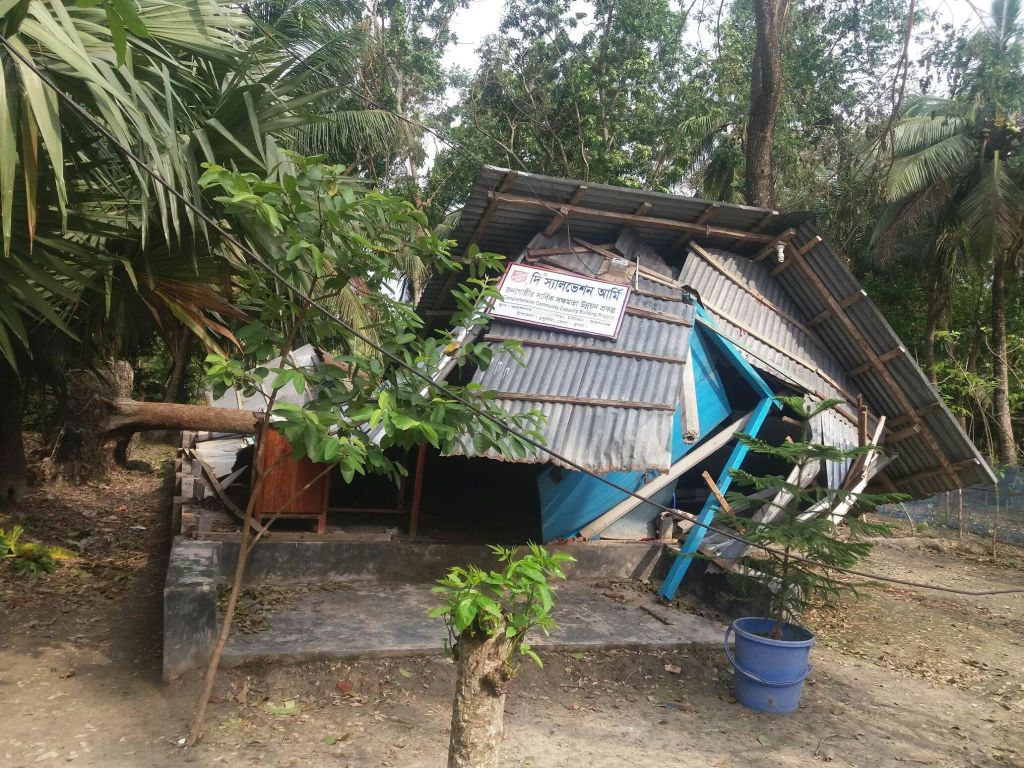
When super Cyclone Amphan hit Bangladesh, the trail of destruction was devastating. Houses were damaged, roofs were blown off and many people lost their livelihoods. Media coverage was low, hidden away by all the global coverage of COVID19. Like many emergencies around, The Salvation Army was compelled to act, planning much needed assistance to some of the poorest people across the country.

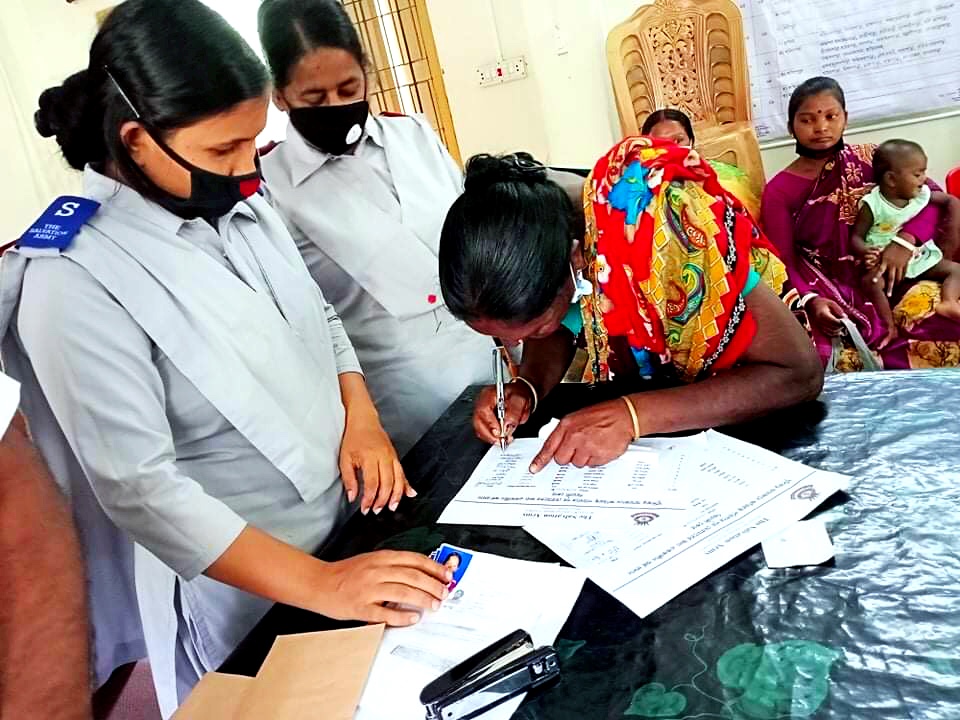
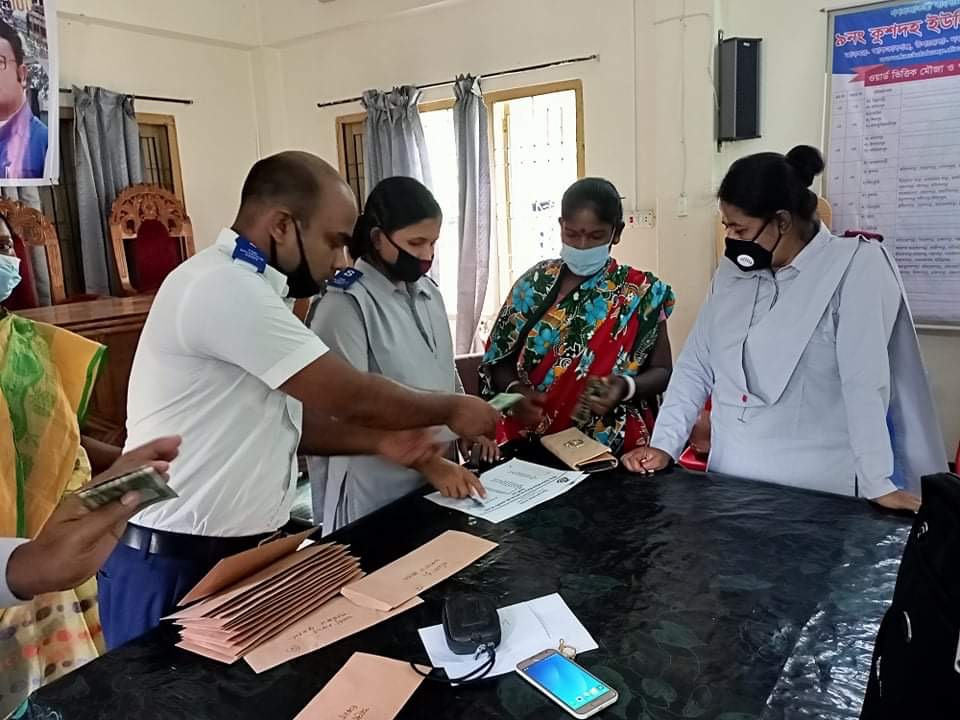
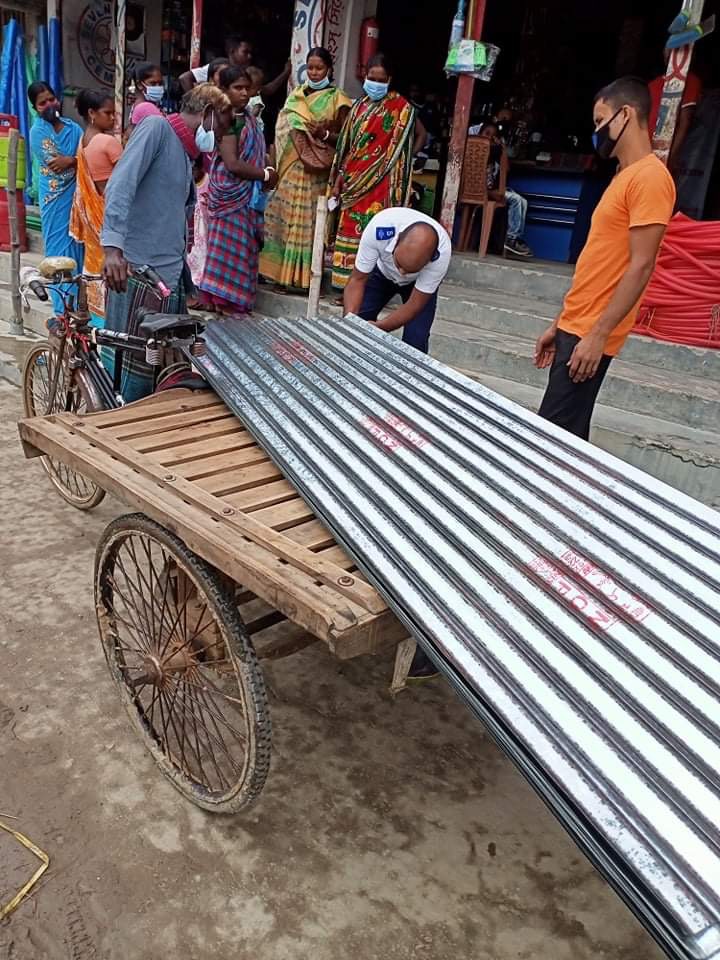
Most humanitarian projects and emergency relief responses usually involve supporting people living in poverty or crisis with tangible commodities: food, shelter, water, medical help, agricultural support, often alongside some softer options of training and capacity building. Now for the first time in my overseas life, we were recently part of an emergency project that simply involved giving cash to those affected. During the project planning someone innocuously queried in one of our board meetings, ‘can’t we just give them the cash?’ This question really challenged and resonated with me and I could only hear the response in my mind, ‘Yes, why not!’ Giving cash is biblical, straight forward, relatively free from the temptation of corruption and reaches the targeted people in record time. And so it turned out to be, the project worked well and over 120 damaged houses of varying degrees ended up being repaired in record time.

Cash grants or cash transfer are a means of direct assistance and support which has mixed reviews from humanitarian and development aid agencies. There have been organisational worries about the effectiveness of the programme, questions have arisen about whether we get the best value for money and doubts exist as to whether the money will be used wisely. In my conversations and research ahead of this project, I have heard and seen many, many reasons why cash grants can’t be used. Cynically, it is also difficult not to draw the conclusion that cash transfers don’t provide the same photo opportunities many NGOs and Faith based organization are looking for and they reduce the need for NGO workers with their often criticized high salaries and expenses. None the less, there is a list of possible disadvantages to consider with cash transfers including driving up local inflation, causing household conflict and compromising personal security.

For all the reasons why cash transfers should not be given, inevitably there are counter arguments and significant research to argue that cash transfer are just as effective and more empowering than traditional projects. By placing cash in the hands of those who need it most, they are in control over what they use the funds for rather than the donor. They can meet their own needs as they see them rather than simply be part of a ‘target group’ which has to correlate with a group statistic in a log frame or project proposal based on a particular sector. In the places I have lived, issues of corruption are well documented and cash transfer could be a way of minimizing this. Even if some of the money was wasted, others reason that it will be nothing compared to the salaries and expenses of the staff and consultants often used in development projects

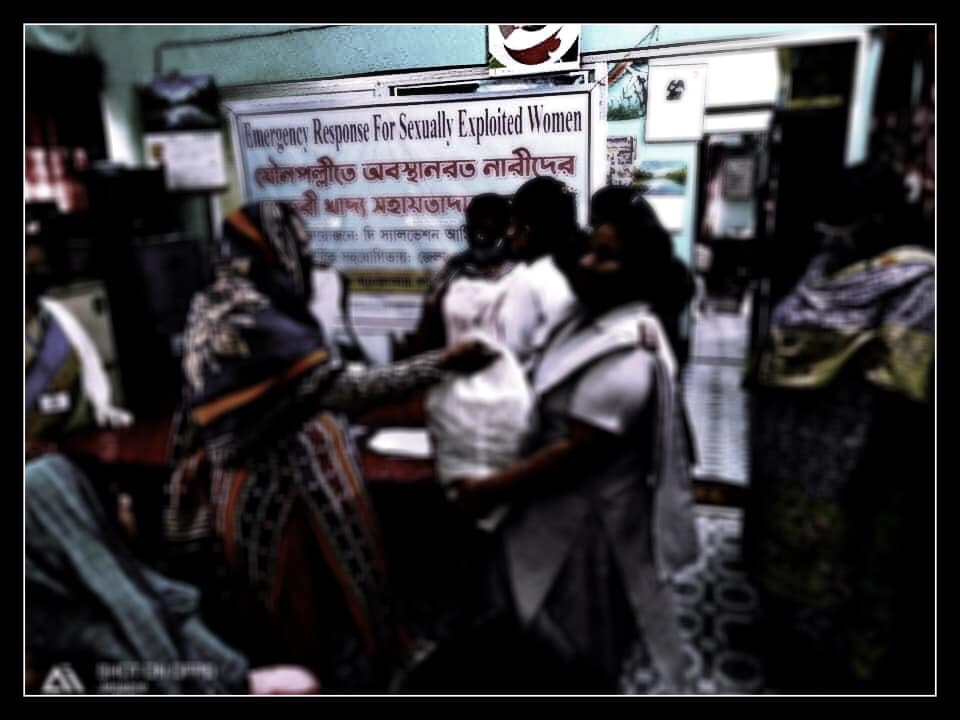
Then you have the issue of innovation and choice. The most recent project proposal I have written has been for a vocational training programme for women who been exploited, either through prostitution or human trafficking or both. In it, we proposed the women simply got a ‘training wallet’, a lump sum of cash to us for the training they chose, rather than the organisation dictating what training they should have in our programme on our premises. Now admittedly, we still hold the actual cash but we are handing over more control of the programme to the people who are involved and this is the first step to a more relevant and cutting edge approach.  The aim is to invite diversity and innovation of ideas and training rather than a one size fits all approach. Its aim is to help the women dream dreams rather than meeting their needs as we perceive them. Each person is an individual and as such has distinct needs, insight, experiences and ideas so it seems only right to give more control of the cash and/or the spending decisions to the people who absolutely know best. It was great to work alongside our colleagues in Norway who encouraged us to be creative and push the boundaries. Whether we get the funding or not is another matter but the process of getting the proposal done, although hard work, was very liberating for the staff in Bangladesh. Hopefully it will also be liberating for the women if the project gets the go ahead next year.

In this age where we are again considering issues of past colonialism, racism and power, there must also be a continual reflection on how best we support those living in poverty within an imbalanced working relationship. The voices of people in poverty is not often the loudest as they are sometimes lazily silenced by others, often by professionals who are ironically demanding more inclusion. One can’t help but wonder whether one of the main reasons we don’t use direct cash transfer or cash grants very much is that there is some sort of unrecognized institutional muscle and control, a power base that those holding money they are not keen to let go of. We cannot blindly just stick with the same way of organizations subjectively deciding what needs to be done and how it is delivered. Yes, we are trying to be more consultative but ultimately we still hold the control over another person’s well-being.

With professionals and project managers deciding how the people should use the aid money, there is a risk that we can belittle their dignity and undermine their self-worth. This can create a humiliating situation that reinforces dependency, which is, by the way, a two-way issue. We do not want to create a state of dependency in community but in the same upside-down way, there is a risk that cash transfer means that humanitarian and development organization will no longer be needed so much to deliver aid. Perhaps most importantly, it is unethical and wildly judgmental to believe all poor people make wasteful spending choices. Yes there still is some tension between our approaches to giving cash transfers and accountability but professionals or experts making decisions for the poor instead or empowering people is also a point of considerable tension that rarely gets attention.

I am glad the organization I work for, The Salvation Army are a reflective and transparent organization when it comes to international development and emergency relief, willing to give things a go and always trying to see how things can be done better. What I love about working in the development field is that The Salvation Army and other faith-based organisation have a conception of human beings, their aspirations, their motivations, their faith, their value and their understanding of the community relationships and conflicts that is much wider, more diverse and richer than many other NGOs. Therefore, their range of response should recognize and respect this. Cash transfers should be considered for a more prominent role in these response if it is connected affirming dignity. In some cases, cash transfers are most effective, in other cases the interventions and expertise of aid agencies will be most helpful.  it is good that The Salvation Army are willing to explore both. Cash transfer are one tool, a powerful tool to help families and affirm the individual’s dignity. An open mind is required at all times.