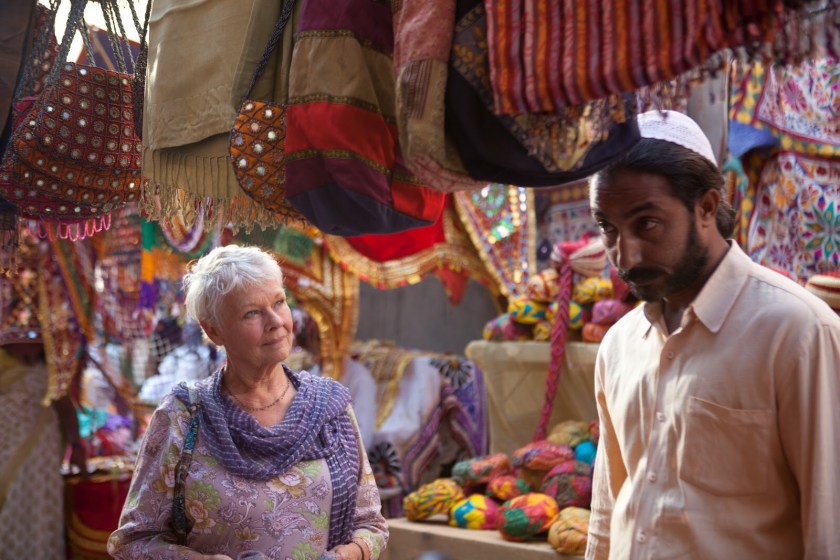
 Last night we watched The Best Exotic Marigold Hotel for our weekly movie night. One film commentator describes the film as being about ‘seven British retirees who travel to Jaipur, Rajisthan, India to live in a restored “luxury” hotel for the elderly. Predictably, their expectations are not met — the hotel is a shambles and its future in doubt — and just as predictably, the characters who take up the challenges thrown at them find a new, unexpected life’. It follows the idea of ‘outsourcing’ your older years to another country – it is especially poignant in a part of the world where our experience has been that people here have such a lovely and important respect for older people.
Viewing the film again through a slightly more informed perspective was interesting. It is, of course, full of stereotypes, cliches and caricatures and this is sometimes annoying. However, if you can get past all of these you see an entertaining but poignant film about how people interact with culture in different ways and a sensitive and humorous exploration of ageing. One the group, Evelyn, keeps a blog about the group’s many adventures during their time in India. She and one of the others in the thrown together group, Graham, are on different journeys but jump into life in Asia. Evelyn starts by writing that ‘India is an assault on the senses. It’s like a wave; resist and you go under, ride it out and you arrive at the others side.’ This has been exactly our experience in Bangladesh.
As soon as we got to the plane from Dubai to Dhaka we knew things were going to be different. Entering the security area and being asked to carry on something for a Bangladeshi man as the 7kg hand luggage limit was not going to cater for the three boxes he had. Of course, we politely declined and then boarded the plane as one of the first due to being accompanied by small children (although how much longer we are going to get away with that now is debatable). Sitting on the Dhaka bound plane and watching the unusual chaos of the boarding and seating process play out before our eyes, we knew things were going to be different. We decided as a family at that point, we were going to try and embrace it all and give it our best shot. So chaos became vibrancy, strangeness become curiousity and inevitably problems are indeed challenges.
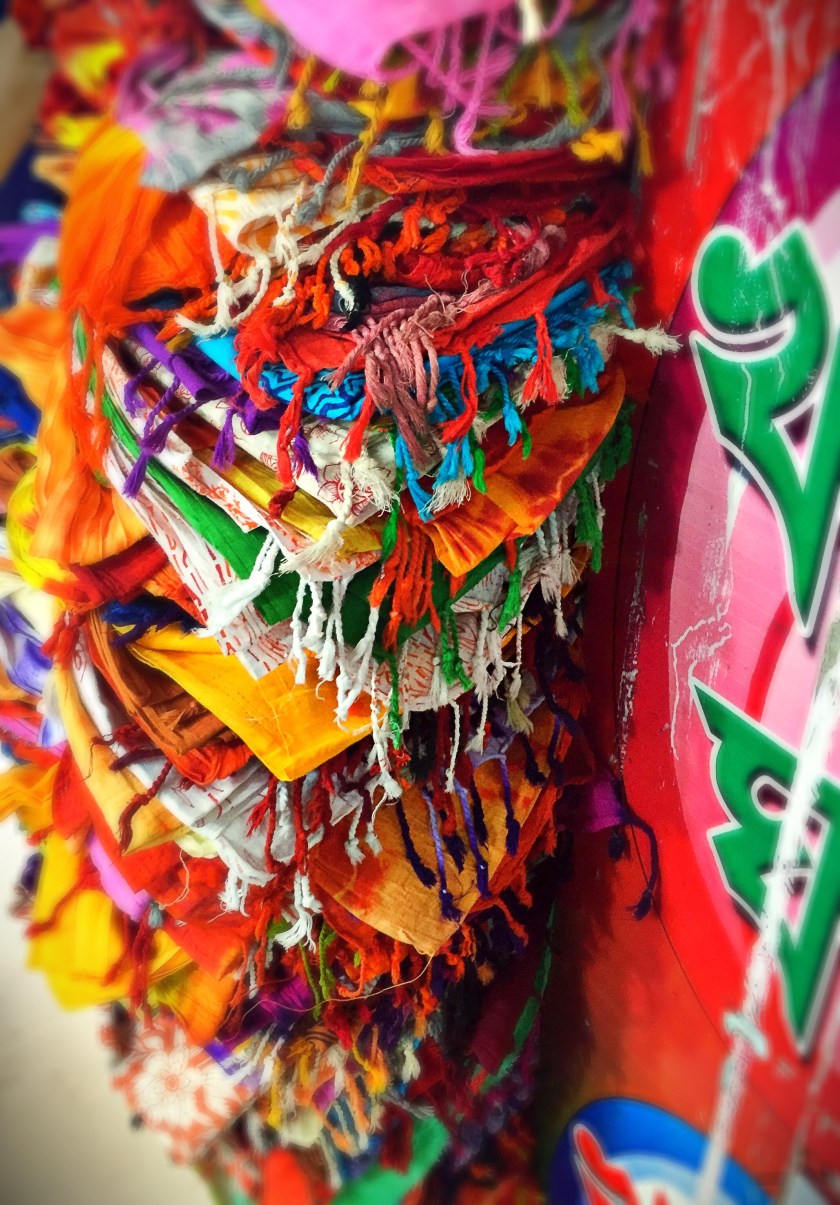
When I lie in my bed at night I can hear trains hooters, car horns, security guards’ whistles, the mosque calling people to prayer, people talking, rickshaw bells, low flying planes flying overhead (we live at the end of the airport runway) and men loudly clearing their throats as the morning approaches. This is just the noise. When you take a wander round the streets of Dhaka and witness the smells, the vivid colours, the flavours, the unrelenting high rise buildings, the unending traffic, the stares, the smiles, the smog, the crowdedness, the heat, the vehicle fumes, the different understanding of personal space, the street foods and much much more, it all converges to this ‘assault on the senses’ and sometimes has the capacity to overwhelm us.
But there was this one line that caught my heart in particular.
Jean: “How can you bear this country? What do you see that I don’t?”
Graham: “The light, colors, the smiles, it teaches me something.”
High Court Judge Graham is able to absorb the breathtaking beauty that is India and Asia. He is interested in the place and focussed on the people. Despite his lofty profession and years of experience, he is still ready to learn. So today we have been here exactly six months. Despite previous experience living and working overseas, I have had to be willing to be more teachable than at any other point in my life.
Consequently I have had some beautiful conversations with my resilient children sitting on the back of a rIckshaw including my 9 year old daughter teaching me how to count to 10 in Banga during one trip. We have tried to learn some of the history, language and culture, embraced spicy Bangla food, allowed ourselves time and opportunity to really look around and above all, try and get connected with people instead of immediately trying to always figure out and fix things.
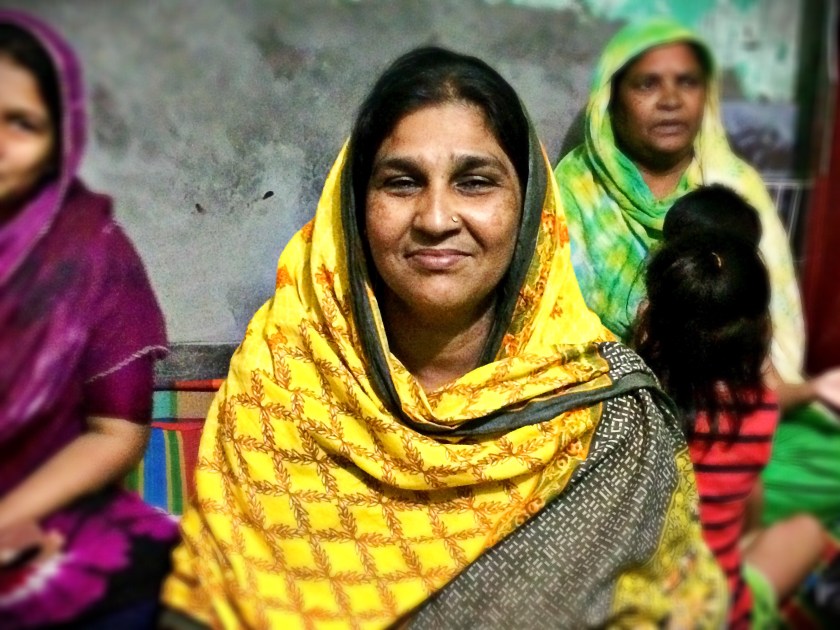
I have had to reconsider what the international Salvation Army actually looks like in a vastly different culture. I am trying to be more patient with myself and others and accept that things might take longer than I would want them to. Most importantly though is that one of the things I have learnt is that each place has its beauty of its own and in almost all situations, it is seen first and foremost in its people. That has certainly been the case in beautiful Bangladesh.
Courage is the power to let go of the familiar
Raymond Lindquist
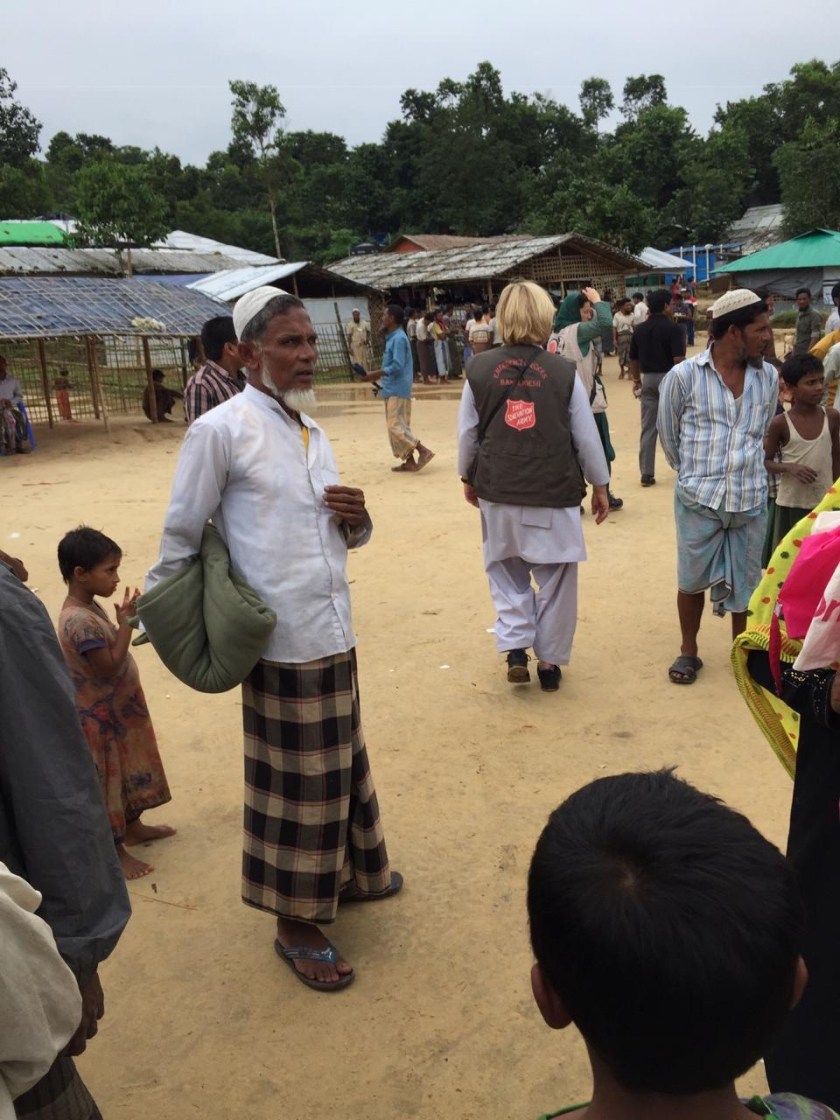 This week we have spent time reviewing our Refugee Response Programme to the Rohingya people currently living in sprawling refugee camps in Bangladesh.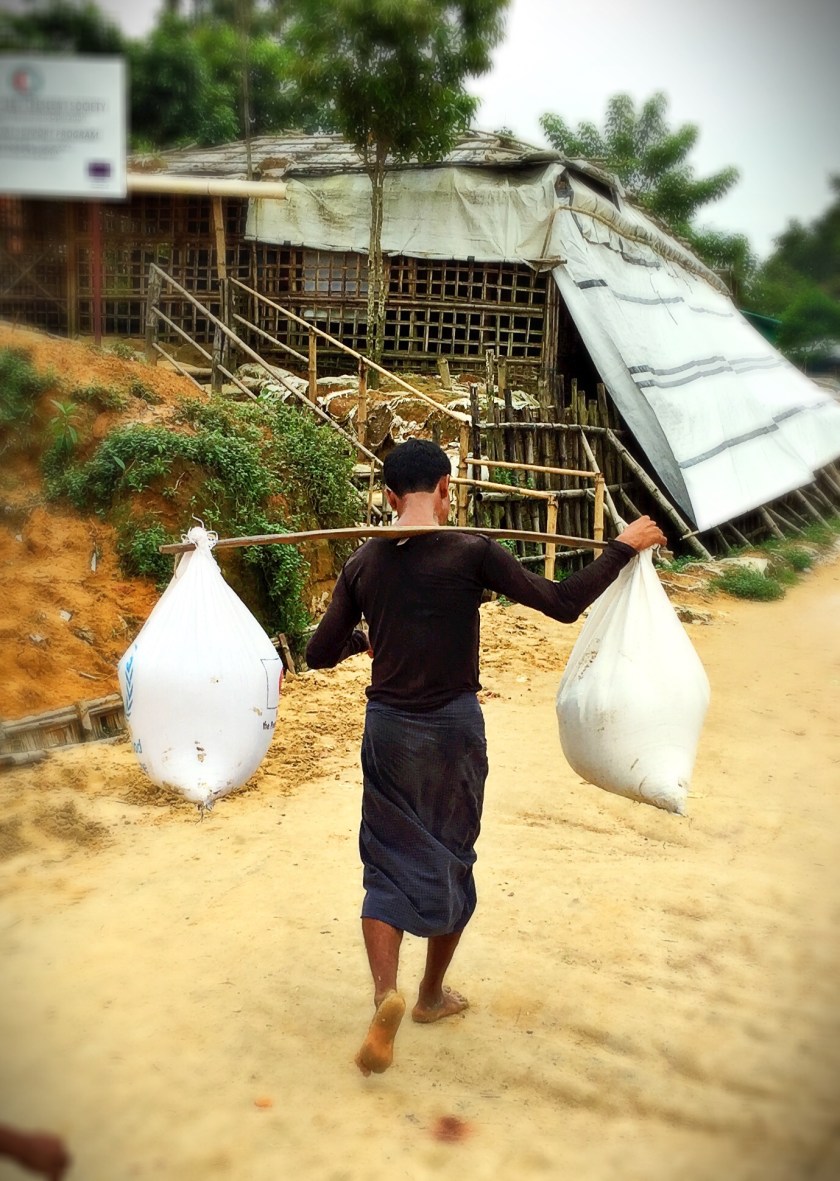
 BanglaBradburys