For a short time, we have all lost our ability to travel freely. We are all separated from vulnerable family members and, for me personally, I am continually questioning if we made the right choice not to be closer to them when this COVID19 crisis is all around us. But at the moment, even though it feels strangely frustrating to be blocked from having the freedom of movement, not to be able to go where we want and when we want, we are learning so many lessons each day by living alongside our beautiful Bangladeshi colleagues and friends.
LESSON 1: People die of hunger too!
This week saw the temporary loosening of lockdown measures in Bangladesh, even though the numbers of infections are steadily rising. Excitedly, I took my daughter for a quick trip to the local bakery in search of some tasty treats. As soon as we stepped out of the car and put our feet on the broken, uneven paving stones we were completely surrounded. Desperate people looking for food and money all around us, crying for any assistance we could give. Older ladies, women with children, men with disabilities, street children, all ages of Bangladeshi society represented in a microcosm of collective anxiety about where the next meal would come from. My heart absolutely sank and I felt helpless and hapless inside. It left me with little doubt: COVID19 has created more extreme poverty and is going to hit the poorest and marginalized the hardest.
After a prompt about turn to get back in the car for fear of being mobbed or indeed infected, we made a hasty retreat to our bunker and quarantine address in the secure, military guarded and patrolled zone in which we live. A reminder that yes, this is a pandemic but also a massive, blindly obvious human memorandum; people die of hunger too! In Bangladesh, the majority of people living right on the edge, not in a thrill seeking, exciting sort of way but on the edge of subsistence, never more than a work free day or two away from crisis and hunger. I realized that even in Bangladesh for the most part I live in a world where emails, virtual conferences and meetings on Zoom occupy the day for me but immediately I step outside I meet struggling families unsure of their health, their income, their next meal and their safety sitting fearfully on the sides of the road. As the time has gone on and I am self-centredly wondering what the future looks like and whether we will ever get home on holiday, I’ve realised for many in Bangladesh that becomes more and more a redundant and ridiculous question, as the present looks more than concerning and worrisome.
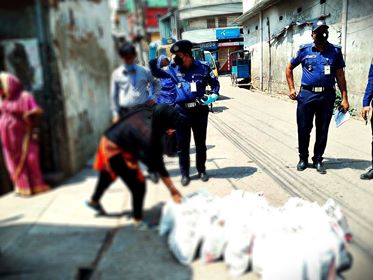
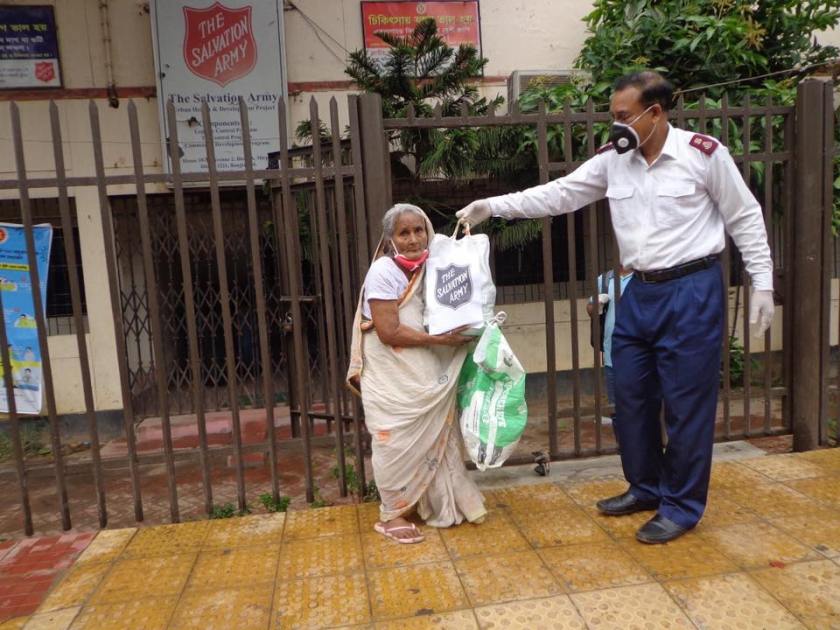
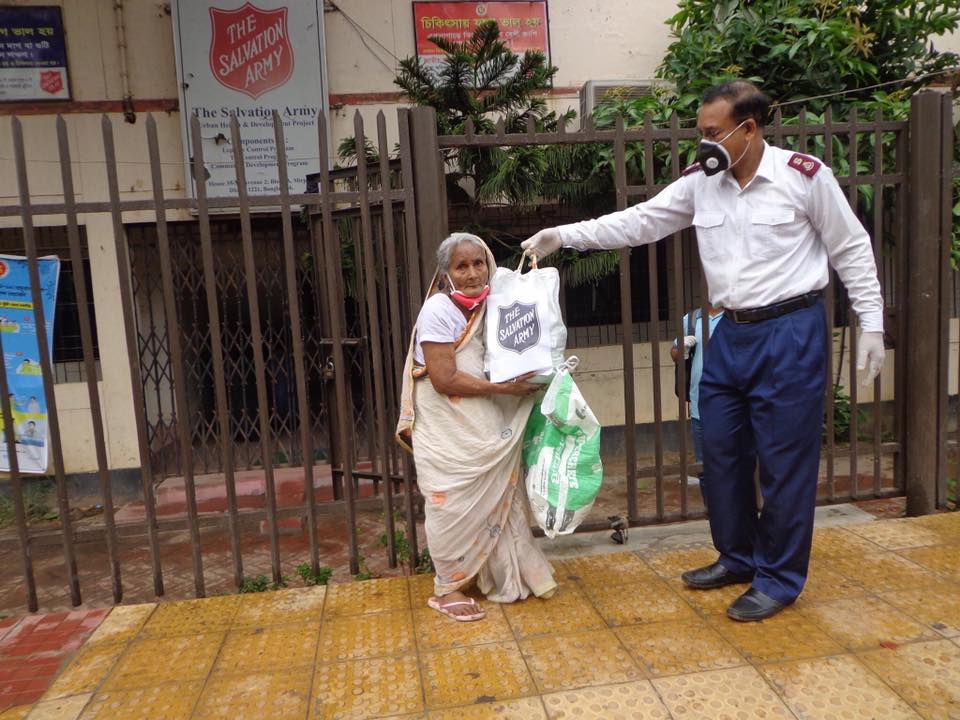
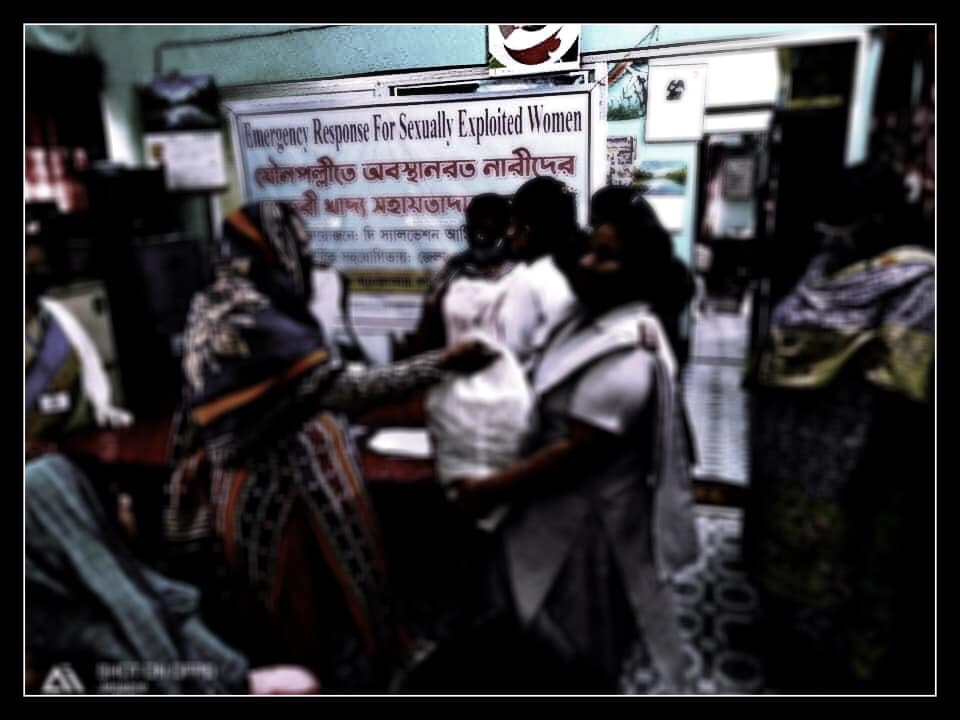
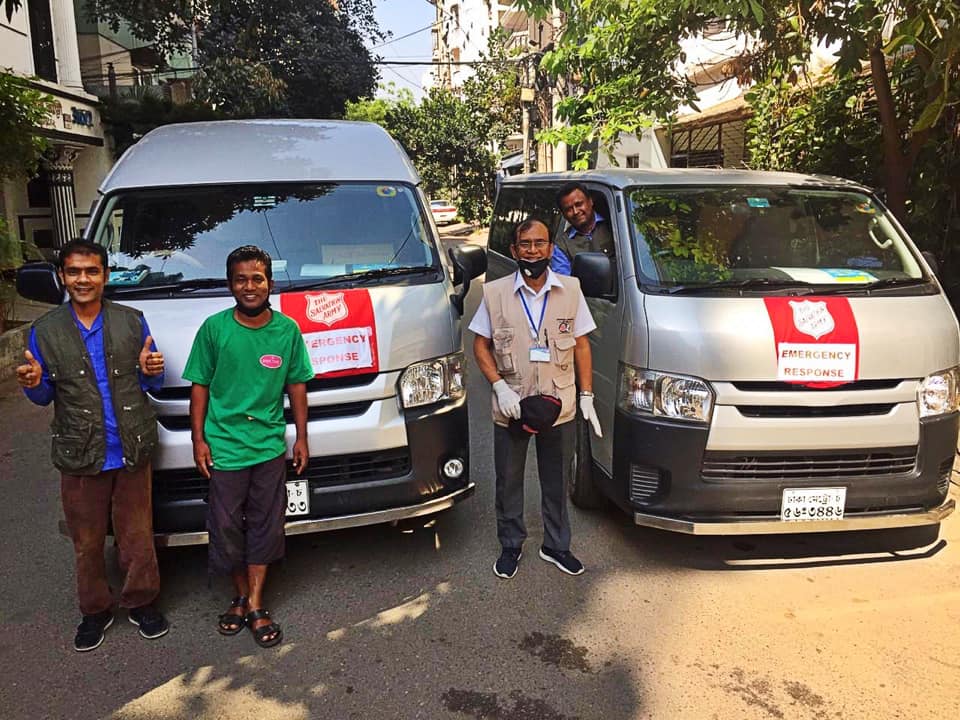
It has been good to help in some small way by providing close to 6,000 food parcels as well as hygiene packs, hand sanitisers and a raft of other medical and counselling services. My hope in this time, has come from my colleagues, many of whom have actually been permanently separated from their families due to their Christians beliefs but who want to selflessly serve others in the name of Jesus without any grudge or thought for their own situation or safety! They are absolute heroes. But, honestly, what we do at this community level feels quite inadequate compared to the emerging enormity of the current situation. This form of band-aid relief is completely unsustainable and it is difficult not to conclude that a new set of complex challenges are about to descend on many countries, especially those with limited resources, massive populations and gaping gaps in health care and social security systems. I am not sure we are ready for what is to come but I do know that more holistic, long-term, flexible approach and partnerships are necessary, ones that embrace poverty reduction, livelihoods, climate change, secure housing, water security, public health issues and faith matters for all.
Lesson 2: Research where you get your goods from
The crisis has also struck at the Bangladesh economy’s core pillars of ready-made garments and remittances. I have already written about the totally unethical ways that some companies from Europe and the North America have shoddily abandoned or watered down their commitments and orders, passing their pressing problems down the line at a time when they should really should step up. At a time when we are all being asked questions about our privilege, businesses in developed countries should also look at the privileges and power they hold over their suppliers and act responsibly and fairly. I am trying to work out new ways to always use my privilege to call out injustice, plead for the widow and speak out for the benefit of the oppressed. Please join me in starting to make more of an effort to research the ethical nature of your preferred supplier of clothes – we are seeing the unseen inequalities and power plays in supply chains for the first time and it is not pretty.
Lesson 3: Developed countries can learn from developing countries
I have learnt that developing countries have an attitude of humility and togetherness. It seems that developing countries are much more willing to learn from others about how they respond. Constantly looking at patterns and practices from other countries has been a trademark of the Bangladeshi government and health services and I respect them for this approach. The debate over face masks and the gradual change to this being an acceptable means of protection highlights this. South Asia could have told you this some time ago, if only we had listened. I despair sometimes at the lack of willingness of many developed countries to learn from the developing world in so many areas of life and I include the organization I work for in this assertion. We have been wearing face masks for many months, a protection from infections and pollution not as cultural identity or fashion accessory. Bangladesh has an impressive network of community health workers standing ready to track down people in the community in a range of situations, used regularly and effectively. I know my home country could learn a lot about world class track and trace approaches as they struggle to get it right. I hope this becomes a watershed moment where the developed world, places like my home country in the UK, realise there is much to learn from those who they often look down on. Developed nations need to have a much better balance of looking internally and globally and I think the corona virus crisis highlights this more than ever.
Lesson 4: Rooftop life in Dhaka – Who Knew?!
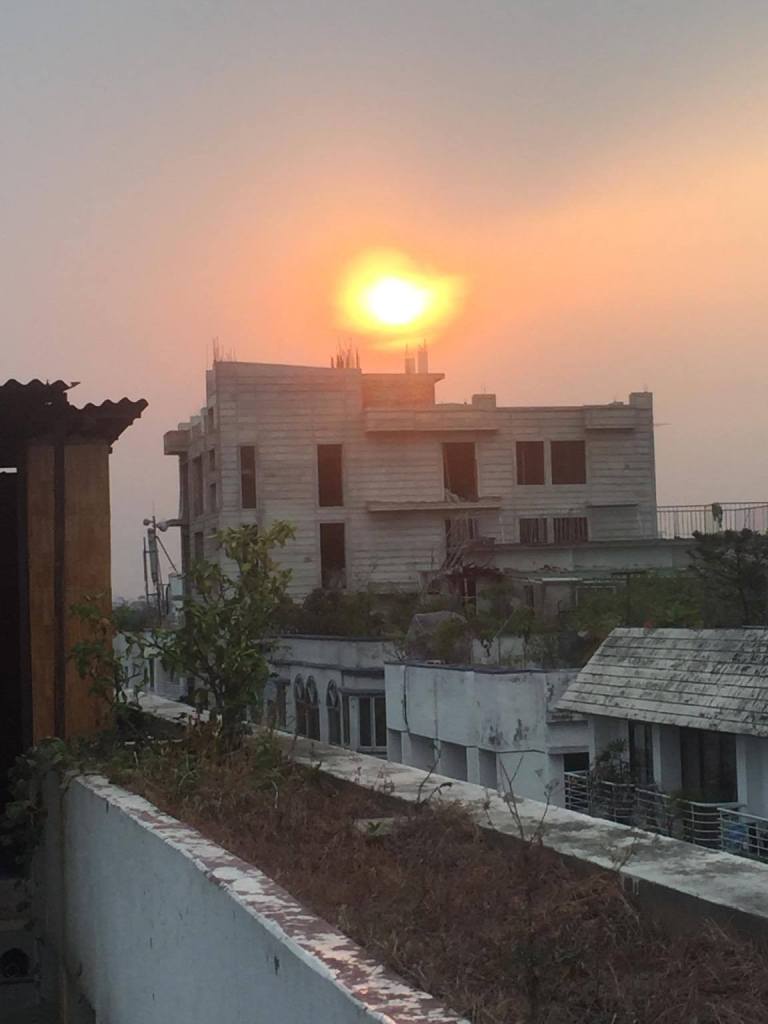
I’ve learnt about the rooftop life in Bangladesh. For close to 18 months, I have lived in the most densely populated city in the world, where chaos, colour, smells, traffic and busyness are usually the order of the day. Under this lockdown period, we have settled into our captive lives, confined inside a relatively small apartment which seems to get smaller and smaller every day. During this time, we have resorted to seeking space and solace on our messy rooftop. We breathed the uncharacteristically clean air of Dhaka, we’ve talked to our neighbours for the first time and we have seen part of the Bangladeshi life we never knew existed. Kites decorate the clear skies, people competing to see who can fly their homemade creation to the highest point. Families and neighbours are playing various games, others are reading books, some have taken the opportunity to garden, some are even playing cricket. Then there is this thing of keeping birds. Who knew! Pigeons, parrots and all kinds of exotic birds living in roof top homes, set free a few times a day before they dutifully return back to their daily dwellings. During these challenging times, it seems the roof has become a hub of activity and indeed a true community space. I hope we don’t lose the aspect of community we have carefully garnered over the last few weeks. I hope we become even more intentional about being connected in new and innovative ways.
Lesson 5: Lockdowns are not new in Bangladesh
Finally, I’ve learnt that lockdowns have not been uncommon in Bangladesh. Hartels, or general strikes, were a common weapon of resistance during the rule of the imperialist British. Locking down a city or community has been used for political and economic protest in more recent years. A recent super cyclone meant evacuation and lockdown in a crowded shelter for many, while the rest of us had to stay inside our homes, away from the windows without electricity, hoping for the best. A terrifying day for many where COVID19 met Cyclone Amphan. As I write, the nor westerly storms and monsoon season has commenced with this cyclone already having left destruction and destitution in its wake. And we know there is more to come. But this time though we have been shut down by something we cannot see and if we are honest, in Bangladesh, something we maybe don’t really understand. What I do know, and I stress again, is that Bangladeshis are some of the most resilient people I have ever met, more adaptable than most to cope with disasters. And while COVID19 will test everyone, we can look back and take heart from the heritage and record of resilience and whichever religion we follow, pray together that we will be able to deal effectively with the inevitable scale of the challenges that lie ahead.
 BanglaBradburys