When super Cyclone Amphan hit Bangladesh, the trail of destruction was devastating. Houses were damaged, roofs were blown off and many people lost their livelihoods. Media coverage was low, hidden away by all the global coverage of COVID19. Like many emergencies around, The Salvation Army was compelled to act, planning much needed assistance to some of the poorest people across the country.
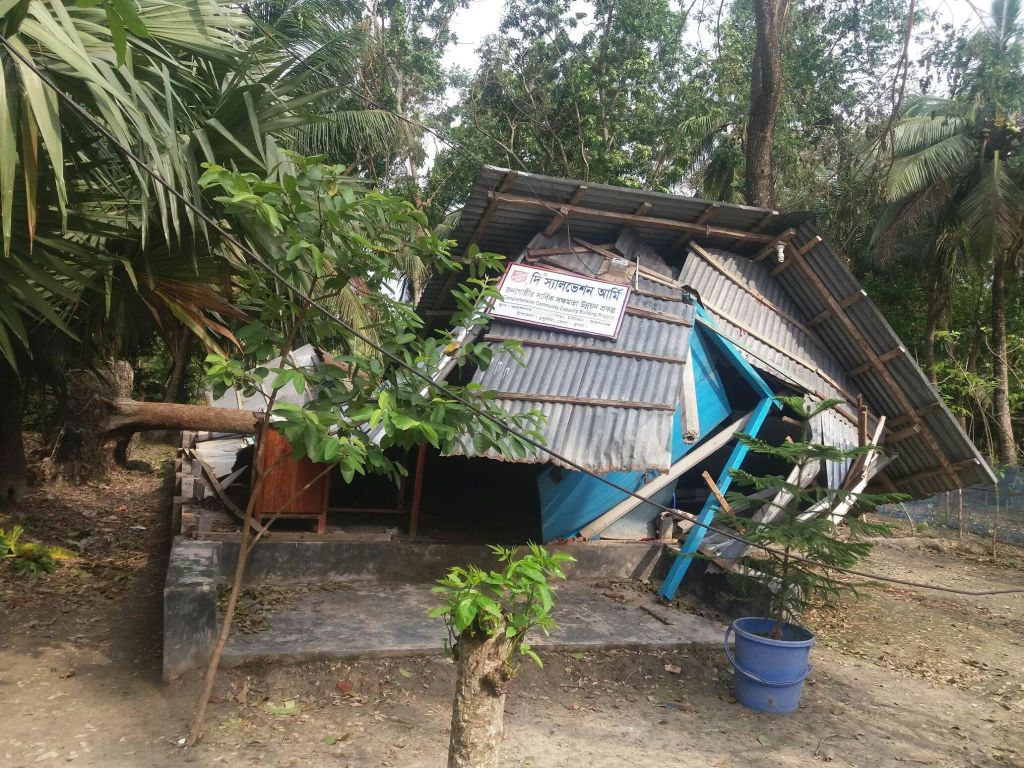
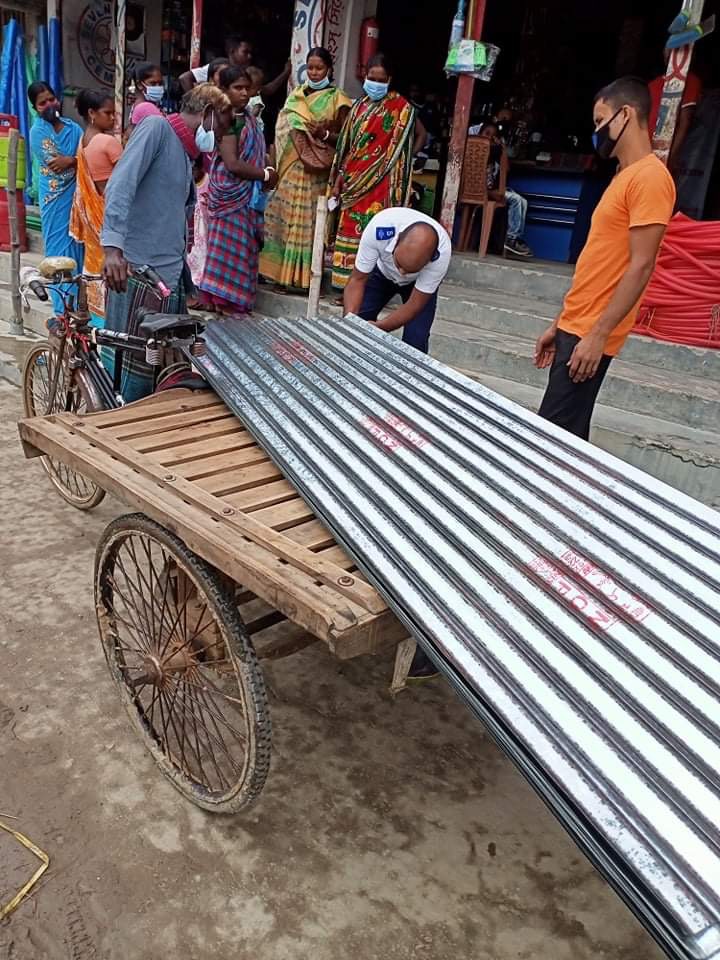
Most humanitarian projects and emergency relief responses usually involve supporting people living in poverty or crisis with tangible commodities: food, shelter, water, medical help, agricultural support, often alongside some softer options of training and capacity building. Now for the first time in my overseas life, we were recently part of an emergency project that simply involved giving cash to those affected. During the project planning someone innocuously queried in one of our board meetings, ‘can’t we just give them the cash?’ This question really challenged and resonated with me and I could only hear the response in my mind, ‘Yes, why not!’ Giving cash is biblical, straight forward, relatively free from the temptation of corruption and reaches the targeted people in record time. And so it turned out to be, the project worked well and over 120 damaged houses of varying degrees ended up being repaired in record time.
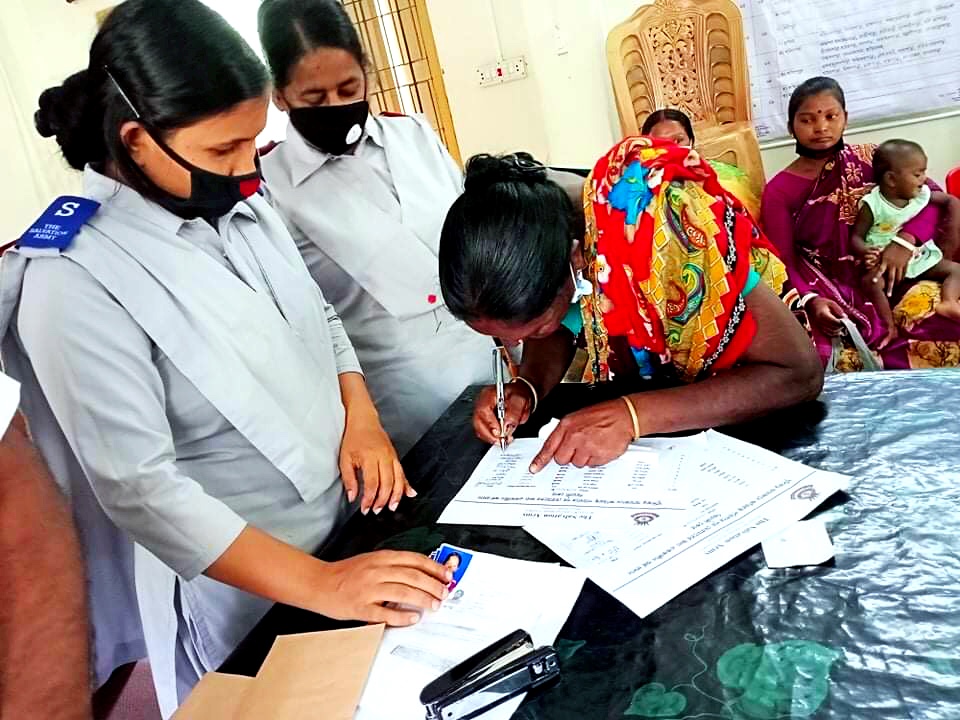
Cash grants or cash transfer are a means of direct assistance and support which has mixed reviews from humanitarian and development aid agencies. There have been organisational worries about the effectiveness of the programme, questions have arisen about whether we get the best value for money and doubts exist as to whether the money will be used wisely. In my conversations and research ahead of this project, I have heard and seen many, many reasons why cash grants can’t be used. Cynically, it is also difficult not to draw the conclusion that cash transfers don’t provide the same photo opportunities many NGOs and Faith based organization are looking for and they reduce the need for NGO workers with their often criticized high salaries and expenses. None the less, there is a list of possible disadvantages to consider with cash transfers including driving up local inflation, causing household conflict and compromising personal security.
For all the reasons why cash transfers should not be given, inevitably there are counter arguments and significant research to argue that cash transfer are just as effective and more empowering than traditional projects. By placing cash in the hands of those who need it most, they are in control over what they use the funds for rather than the donor. They can meet their own needs as they see them rather than simply be part of a ‘target group’ which has to correlate with a group statistic in a log frame or project proposal based on a particular sector. In the places I have lived, issues of corruption are well documented and cash transfer could be a way of minimizing this. Even if some of the money was wasted, others reason that it will be nothing compared to the salaries and expenses of the staff and consultants often used in development projects
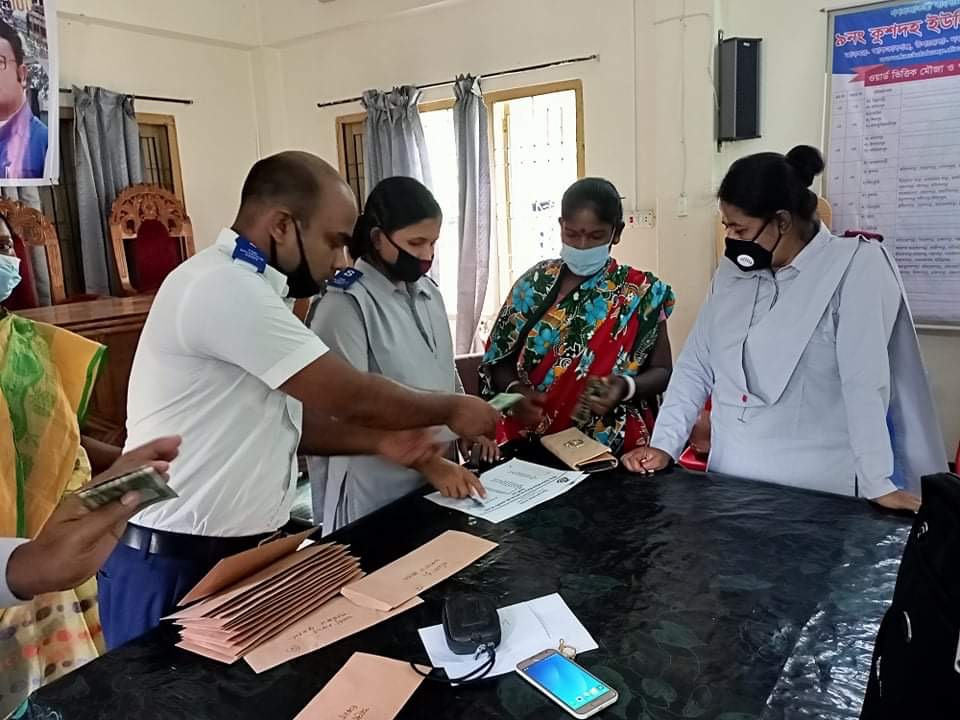
Then you have the issue of innovation and choice. The most recent project proposal I have written has been for a vocational training programme for women who been exploited, either through prostitution or human trafficking or both. In it, we proposed the women simply got a ‘training wallet’, a lump sum of cash to us for the training they chose, rather than the organisation dictating what training they should have in our programme on our premises. Now admittedly, we still hold the actual cash but we are handing over more control of the programme to the people who are involved and this is the first step to a more relevant and cutting edge approach. The aim is to invite diversity and innovation of ideas and training rather than a one size fits all approach. Its aim is to help the women dream dreams rather than meeting their needs as we perceive them. Each person is an individual and as such has distinct needs, insight, experiences and ideas so it seems only right to give more control of the cash and/or the spending decisions to the people who absolutely know best. It was great to work alongside our colleagues in Norway who encouraged us to be creative and push the boundaries. Whether we get the funding or not is another matter but the process of getting the proposal done, although hard work, was very liberating for the staff in Bangladesh. Hopefully it will also be liberating for the women if the project gets the go ahead next year.
In this age where we are again considering issues of past colonialism, racism and power, there must also be a continual reflection on how best we support those living in poverty within an imbalanced working relationship. The voices of people in poverty is not often the loudest as they are sometimes lazily silenced by others, often by professionals who are ironically demanding more inclusion. One can’t help but wonder whether one of the main reasons we don’t use direct cash transfer or cash grants very much is that there is some sort of unrecognized institutional muscle and control, a power base that those holding money they are not keen to let go of. We cannot blindly just stick with the same way of organizations subjectively deciding what needs to be done and how it is delivered. Yes, we are trying to be more consultative but ultimately we still hold the control over another person’s well-being.
With professionals and project managers deciding how the people should use the aid money, there is a risk that we can belittle their dignity and undermine their self-worth. This can create a humiliating situation that reinforces dependency, which is, by the way, a two-way issue. We do not want to create a state of dependency in community but in the same upside-down way, there is a risk that cash transfer means that humanitarian and development organization will no longer be needed so much to deliver aid. Perhaps most importantly, it is unethical and wildly judgmental to believe all poor people make wasteful spending choices. Yes there still is some tension between our approaches to giving cash transfers and accountability but professionals or experts making decisions for the poor instead or empowering people is also a point of considerable tension that rarely gets attention.
I am glad the organization I work for, The Salvation Army are a reflective and transparent organization when it comes to international development and emergency relief, willing to give things a go and always trying to see how things can be done better. What I love about working in the development field is that The Salvation Army and other faith-based organisation have a conception of human beings, their aspirations, their motivations, their faith, their value and their understanding of the community relationships and conflicts that is much wider, more diverse and richer than many other NGOs. Therefore, their range of response should recognize and respect this. Cash transfers should be considered for a more prominent role in these response if it is connected affirming dignity. In some cases, cash transfers are most effective, in other cases the interventions and expertise of aid agencies will be most helpful. it is good that The Salvation Army are willing to explore both. Cash transfer are one tool, a powerful tool to help families and affirm the individual’s dignity. An open mind is required at all times.

 BanglaBradburys
Richard – thank you so much for sharing these thoughts with us. We are finally realising that it’s important to help people maintain their sense of personal dignity in these dire situations. And, as you point out, there are benefits for both sides here! God bless you all.
LikeLike